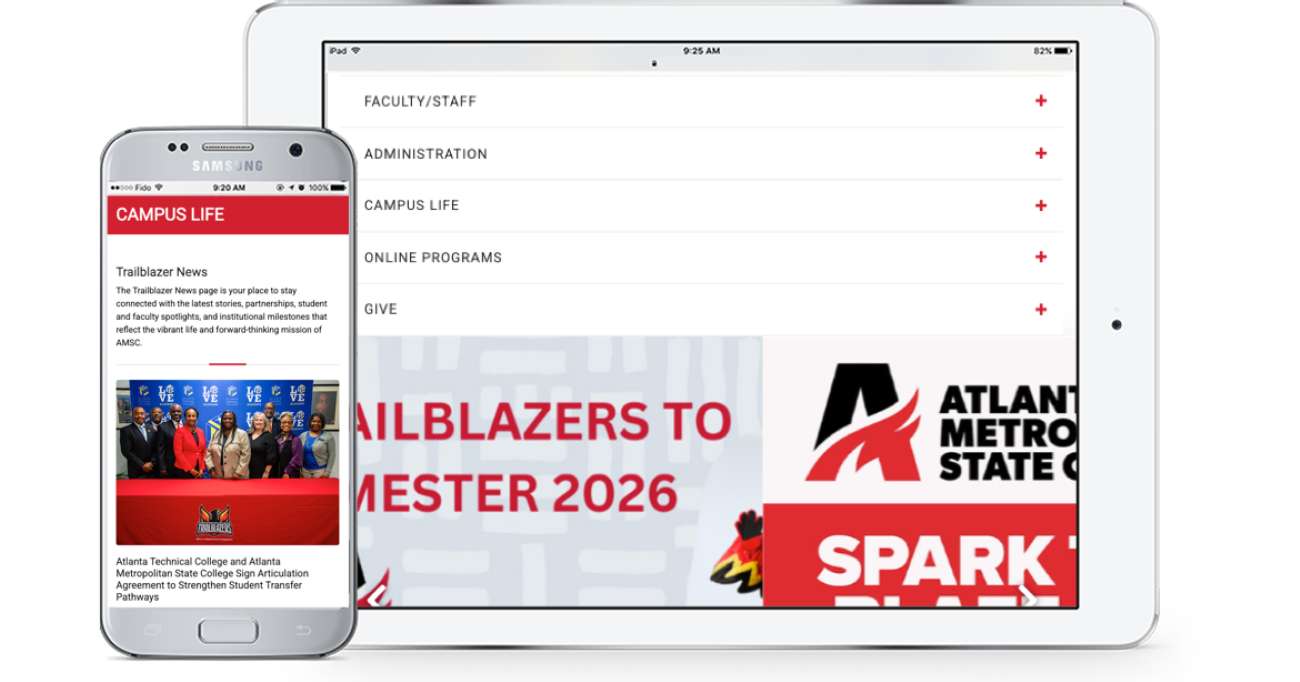
Atlanta Metropolitan State College (AMSC)
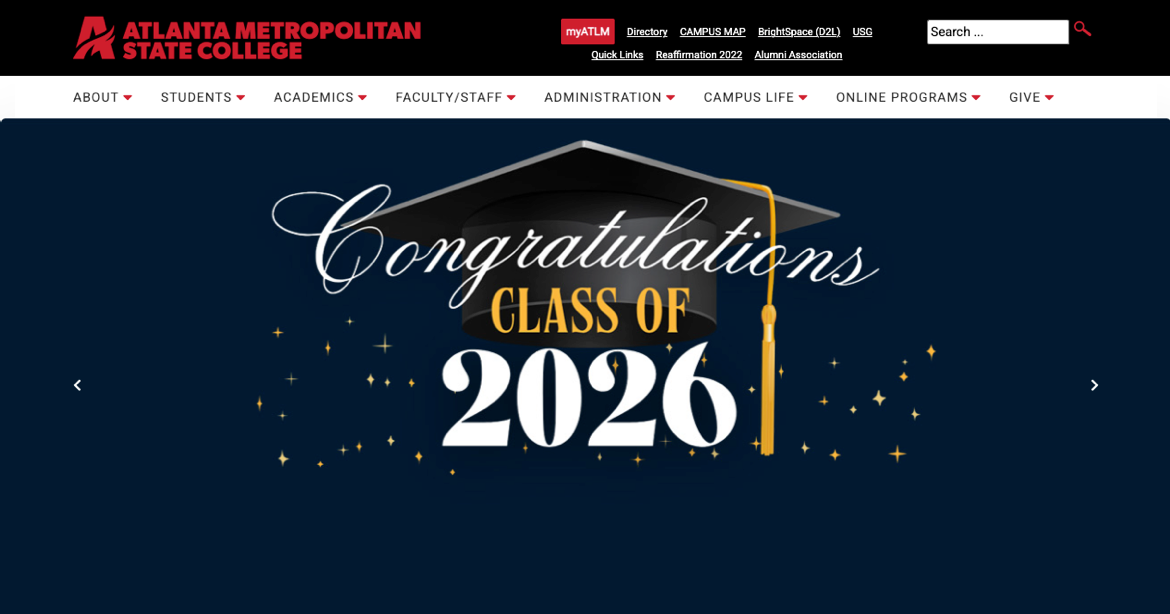
Overview
Live Site
atlm.eduClient Since
March 2026
Atlanta Metropolitan State College, opened in 1974 by the University System of Georgia, educates students from diverse backgrounds by providing affordable, career-focused bachelor’s and associate degree programs.
Hop Studios helped Atlanta Metropolitan State College rapidly and comprehensively bring its website into full WCAG 2.1 AA compliance, reviewing and remediating 1,743 files and 729 web pages, achieving a 100% accessibility score on a fixed deadline.
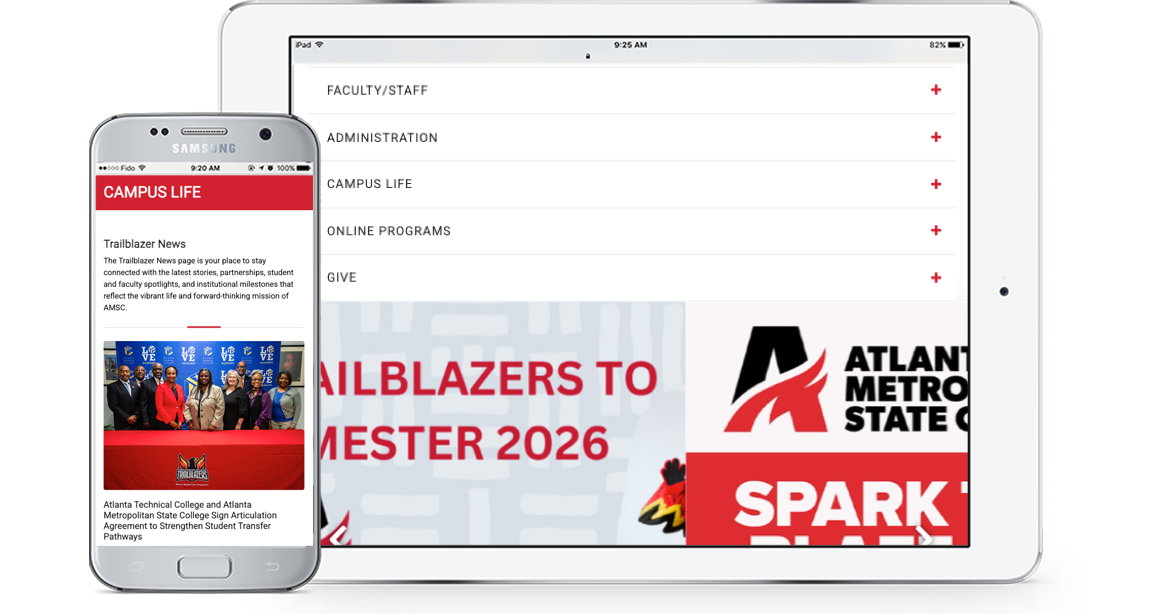
Services Provided
The Atlanta Metropolitan State College (AMSC) needed the help of experts with extra capacity in order to meet digital accessibility compliance requirements from the University System of Georgia and the U.S. Department of Justice that had a strict and looming deadline.
Hop Studios had that expertise in two ways. We have oodles of prior experience working with colleges and universities to remediate and improve website accessibility, doing WCAG testing and compliance, and developing inclusive user experiences for students, faculty, and visitors. And making educational websites fully accessible, in turn, fosters the diverse and inclusive educational experience that schools strive to provide.
We also had some expertise working on their uncommon website architecture—and the creative and technical skills needed to work around the limitations of its implementation.
Web Content Accessibility Guidelines (WCAG) are categorized into three accessibility compliance conformance levels: A, AA, and AAA. As of 2026, WCAG 2.1 Level AA is the most widely adopted benchmark for colleges, universities, and public sector organizations. It supports legal accessibility compliance while addressing most common barriers experienced by users with disabilities.
As mentioned, AMSC was under a tight deadline to meet USG’s digital accessibility standards—less than 45 days, in fact. We began by running a full accessibility audit, which included building a custom crawler to scan every page and file on the site and flag WCAG 2.1 AA issues for prioritization. From there, the work grew to touch every corner of the site.
The AMSC website presented a unique digital accessibility challenge that our team was fully prepared to tackle. Unlike many college and university websites, their site is not built on a traditional content management system (CMS), but instead from a flat-file organization of content on a locally hosted, dedicated Windows Server environment. Because of this, implementing the accessibility remediation and compliance updates required a more technically savvy and detail-oriented development process than a standard CMS-based website.
- PDFs: AMSC’s site hosts a large library of documents, including enrollment materials, guides for students and staff, and a wide range of academic and event documents. We updated 132 existing documents, added 118 new documents, and safely archived 699 that were determined to be outdated. We made sure each remaining document met accessibility standards with clear document titles, language settings, and alt text for all images and visual elements to ensure compatibility with screen readers, keyboard navigation, and assistive technologies.
- Links and navigation: We cleaned up broken links across the site by removing 94 dead references and restoring 3, and built a friendlier custom 404 page to help visitors find their way if they happened to land on missing content. This improved both usability and accessibility compliance through keyboard accessibility, preventing screen readers from reaching inaccessible dead ends, and improving user experience for all visitors.
- Page structure and design: We corrected heading structures for better screen reader navigation, improved colour contrast for users with low vision or colour blindness, fixed table structures and captions, cleaned up form labels for clearer keyboard and assistive technology use.
- Images: We added descriptive alt text and image descriptions to ensure visual context is accessible to screen reader users.
In total, the project covered 1,743 files, 729 web pages (.aspx and .html) and multiple dozens of additional media resources, all brought up to WCAG 2.1 AA and USG accessibility standards on deadline, resulting in a 100% accessibility score as tested by USG.
Hop Studios looks forward to continuing its work with AMSC on long-term accessibility planning and training, helping the college keep in line with ever-evolving WCAG standards, so its site stays inclusive and easy-to-use for students, faculty, and visitors of all abilities.